Renting as a Foreigner: Documentation and Requirements by Region
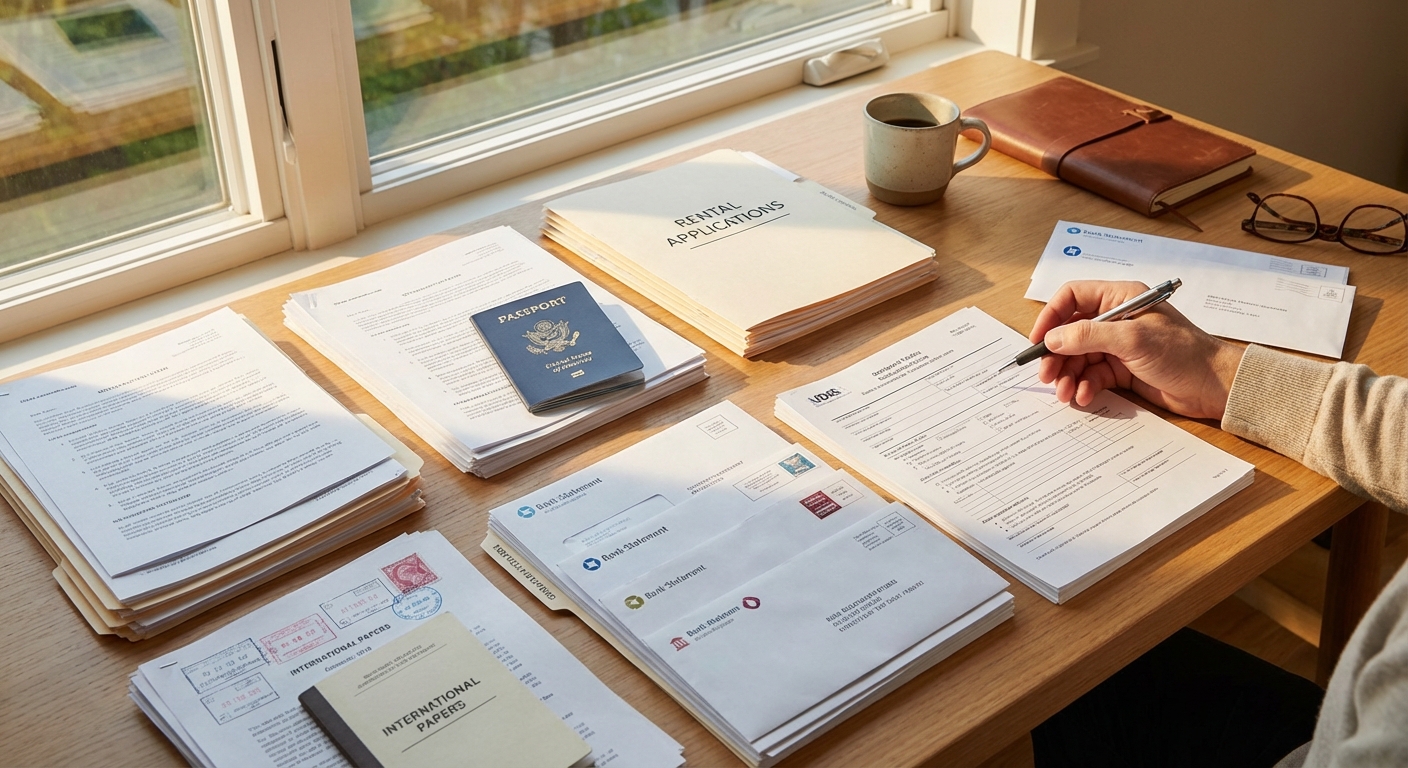

Renting as a foreigner ranges from "show your passport" to "provide tax ID, credit history, employment contract, and guarantor." This guide covers documentation requirements by region, platform strategies for foreigners, and how to transition from short-term platforms to long-term local rentals.
This article is part of our Complete Digital Nomad Accommodation Guide.
Renting as Foreigner Quick Facts
Universal Documentation
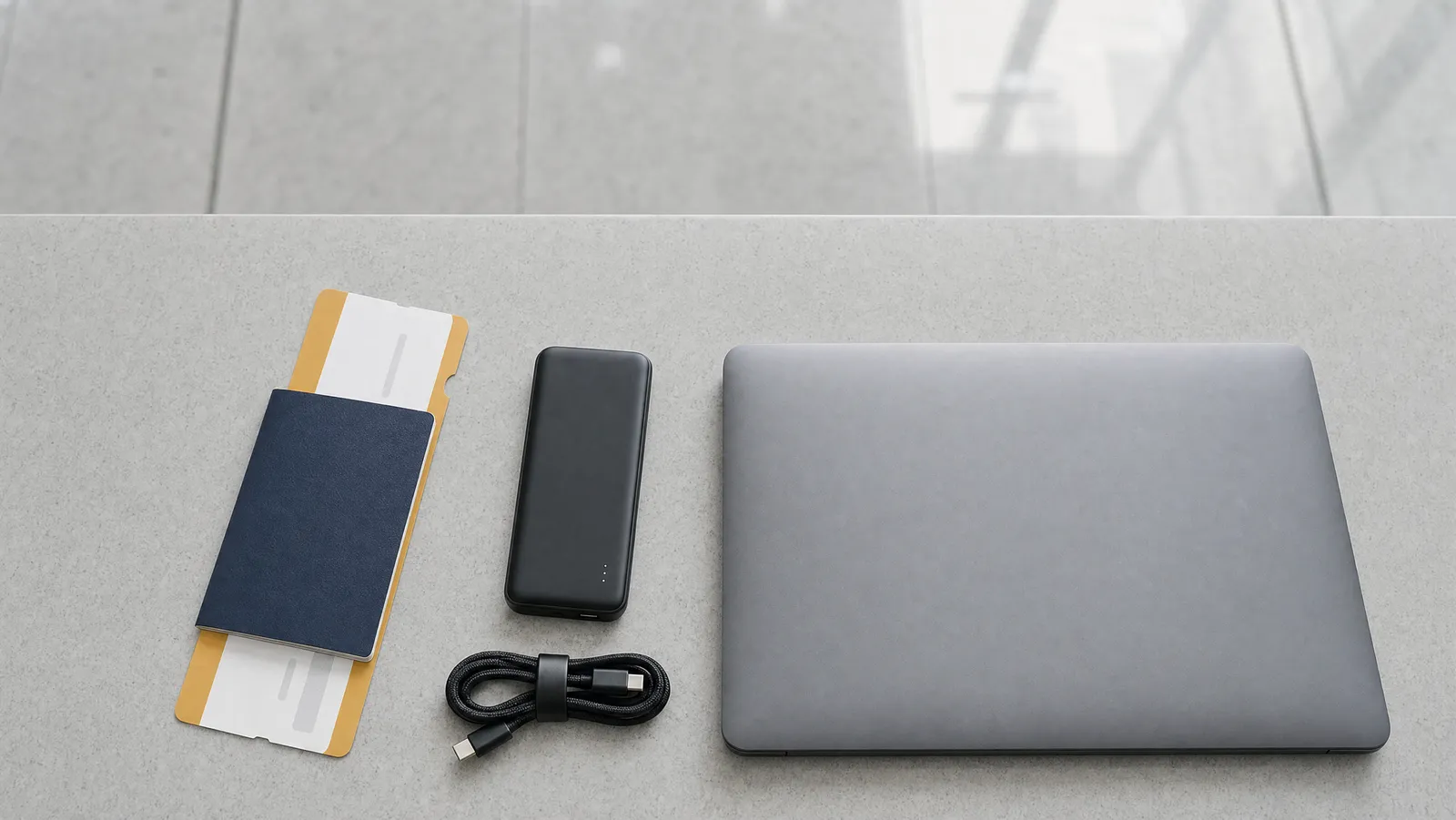
These documents are useful everywhere, regardless of destination. Having them ready speeds up any rental process.
Always Have Ready
| Document | Format | Notes |
|---|---|---|
| Passport copy | PDF + physical | Color scan of photo page |
| Bank statements | Last 3-6 months, showing regular income | |
| Proof of income | Employment contract, client contracts, or tax returns | |
| Reference letter | From previous landlord or Airbnb reviews screenshot | |
| Photo ID | PDF + physical | Driver's license or national ID (backup) |
Nice to Have
| Document | When Needed |
|---|---|
| Employment verification letter | Formal European rentals |
| Tax returns | US rentals, some European |
| Credit report | US, sometimes UK |
| Visa/residence permit | Long-term European rentals |
| Marriage certificate | If renting as couple |
Regional Requirements
Southeast Asia
Difficulty: Easy Documentation: Minimal
Thailand:
- Passport copy (photo page)
- Sometimes: Visa page copy
- Rarely: Work permit (for formal contracts)
- Payment: Cash deposit (1-2 months)
Process:
- Find property (agent, Facebook, platform)
- View in person
- Provide passport copy
- Sign simple contract (often English available)
- Pay cash deposit + first month
For Thailand-specific housing, see our Chiang Mai guide.
Bali/Indonesia:
- Passport copy
- KITAS/KITAP for formal long-term leases (optional for informal)
- Cash deposit
Process similar to Thailand. Informal rentals dominate the market—even 6-12 month stays often proceed without KITAS.
For Bali-specific housing, see our Bali guide.
Vietnam:
- Passport copy
- Visa copy
- Sometimes: Temporary residence registration (landlord usually handles)
Note: Landlords are legally required to register your temporary residence. This works in your favor—they need your cooperation.
Western Europe
Difficulty: Medium to Hard Documentation: Substantial
Portugal:
Required:
- Passport
- NIF (Número de Identificação Fiscal) — Portuguese tax ID
- Proof of income (employment contract or bank statements)
- Sometimes: Last 3 months bank statements
NIF Process:
- Apply at local Finanças office or online via Portal das Finanças
- Need Portuguese address (can use temporary accommodation)
- Processing: Same day in person, 1-2 weeks online
- Required for formal rental contracts and utility accounts
For complete NIF and visa details, see our Portugal visa guide.
Spain:
Required:
- Passport
- NIE (Número de Identificación de Extranjero) — Foreigner ID number
- Proof of income (3x monthly rent is common requirement)
- Bank statements (last 3 months)
- Employment contract or freelance documentation
NIE Process:
- Book appointment at police station (Cita Previa)
- Bring passport, completed EX-15 form, payment
- Processing: Often same day
- Required for most formal rentals, utilities, banking
For complete NIE and visa details, see our Spain visa guide.
Deposit: "Fianza" typically 1-2 months, legally regulated in most regions.
Germany:
Required:
- Passport
- Anmeldung (registration certificate) — chicken-and-egg problem for foreigners
- Schufa (credit check) — nearly impossible for newcomers
- Proof of income (employment contract strongly preferred)
- Last 3 payslips
- References from previous landlords
The German Catch-22:
You need Anmeldung to rent, but need an address to get Anmeldung. Solutions:
- Temporary accommodation that allows registration
- Anmeldebestätigung from hotels/Airbnbs that permit it
- Short-term sublets while establishing documents
Schufa alternatives:
- Some landlords accept foreign credit reports
- Larger deposits (3+ months) sometimes accepted instead
- Corporate rentals through employers
- Furnished apartments targeting expats
France:
Required:
- Passport
- Proof of income (3x monthly rent minimum)
- Employment contract (CDI strongly preferred, CDD difficult)
- Tax returns (last 2 years)
- Bank statements
- Sometimes: Guarantor (garant) with French income
Guarantor issue: Most French landlords require a French guarantor earning 3x rent. Solutions for foreigners:
- Garantme, Visale, or similar guarantee services
- Extra deposits (3-6 months upfront)
- Corporate guarantees through employer
- Furnished apartments targeting international renters
Eastern Europe
Difficulty: Easy to Medium Documentation: Light
Georgia:
Required:
- Passport copy
- Cash (USD or GEL accepted)
Process:
- Find property (SS.ge, MyHome.ge, Facebook)
- View in person
- Negotiate terms in cash
- Simple contract (often informal)
- Pay deposit (1 month typical)
No tax ID, no credit check, no formal requirements. Georgia's rental market is extremely foreigner-friendly.
For Georgia-specific housing, see our Tbilisi guide.
Poland:
Required:
- Passport
- Proof of income (employment contract preferred)
- Sometimes: PESEL (Polish ID number) for formal contracts
PESEL obtainable after registering residence (Meldunek), similar to German Anmeldung process.
Czechia (Prague):
Required:
- Passport
- Proof of income
- Sometimes: Rodné číslo (Czech ID number) for formal contracts
Market note: Prague rental market is competitive. Agents common, expect 1-2 month commission.
Latin America
Difficulty: Easy to Medium Documentation: Light to Moderate
Mexico:
Required:
- Passport copy
- Sometimes: Visa copy (if staying 180+ days)
- Sometimes: Proof of income
- INE (Mexican ID) NOT required for foreigners
Process:
- Find property (Inmuebles24, Facebook, direct)
- View in person
- Negotiate in pesos (much cheaper than USD listings)
- Simple contract
- Deposit (1-2 months)
For Mexico-specific housing, see our Mexico City guide.
Colombia:
Required:
- Passport copy
- Sometimes: Cédula de Extranjería (foreigner ID for stays 90+ days)
- Proof of income
- Sometimes: Local reference or fiador (guarantor)
Estratificación note: Colombian utilities are priced by "estrato" (strata) 1-6. Higher strata = higher utility costs. Clarify estrato when renting.
For Colombia-specific housing, see our Medellín guide.
Argentina:
Required:
- Passport copy
- Proof of income (preferably USD if paying in dollars)
- Sometimes: Garantía (guarantee), often requiring Argentine property owner
Currency note: Argentina has complex currency markets. USD cash rentals exist alongside peso rentals. Clarify currency and payment method upfront.
North America
Difficulty: Hard Documentation: Extensive
United States:
Required:
- Passport
- Visa documentation
- Social Security Number (or ITIN as alternative)
- Credit history (nearly impossible for newcomers)
- Proof of income (employment verification)
- Bank statements
- Tax returns (last 2 years)
Without SSN/credit history:
- Larger deposits (3-6 months)
- Corporate housing/relocation services
- Furnished apartments targeting internationals
- Co-signers (if available)
- Prepaid full lease term
Canada:
Required:
- Passport
- Visa/work permit documentation
- Proof of income
- Canadian credit history (or alternative)
- References
Similar to US but generally more flexible. Tenant-friendly laws in many provinces give landlords less discretion.
Platform Strategies for Foreigners
When documentation requirements are high, platforms bypass most barriers.
Airbnb/Booking.com Advantages
- No local documentation required
- No credit check
- No references needed
- Payment protection eliminates landlord risk concerns
- Reviews serve as reference
Using Platforms as Bridge
Phase 1: Arrive on platform (2-4 weeks)
- Book Airbnb or Booking.com before arrival (Airbnb for apartments, Booking.com for last-minute flexibility)
- Use this time to obtain required local documents (NIF, NIE, etc.)
- Open local bank account if needed (Wise can serve as interim solution)
- Explore neighborhoods in person
Phase 2: Transition to local (month 2+)
- With documents secured, access local rental market
- Use platform stay address for registrations
- Apply to local listings with complete documentation
This approach works especially well in Portugal, Spain, and Germany where bureaucratic requirements are substantial but achievable with proper address.
Agent vs Direct Approaches
Using Agents
When agents help:
- You don't speak local language
- Documentation requirements are complex
- Market moves fast (Germany, high-demand cities)
- You're unfamiliar with neighborhoods
Agent costs:
- Typically 1-2 months rent as commission
- Sometimes paid by landlord (varies by market)
- May negotiate on your behalf
Going Direct
When direct works:
- You speak language or market is English-friendly
- Requirements are minimal (SE Asia, Eastern Europe)
- You have time to search and negotiate
- You're comfortable with local platforms
Direct advantages:
- No commission saves significant money
- Build direct relationship with landlord
- More negotiation flexibility
- Often find better deals (motivated landlords)
Short-Term to Long-Term Transition
The most common nomad pattern: start on platforms, transition to local rental for longer stays.
Transition Checklist
| Step | Timeline | Details |
|---|---|---|
| 1. Arrive on Airbnb | Day 1-14 | Verified, safe, time to orient |
| 2. Obtain tax ID | Week 1-2 | NIF (Portugal), NIE (Spain), etc. |
| 3. Open bank account | Week 2-3 | Local account aids applications (or use Wise) |
| 4. Search local listings | Week 2-4 | Idealista, local platforms, Facebook |
| 5. View properties | Week 3-4 | In-person verification |
| 6. Apply with documents | Week 4 | Full documentation package |
| 7. Move to local rental | Month 2 | Start long-term tenancy |
Documents to Prepare During Platform Stay
- Tax ID (NIF, NIE, etc.) — start application immediately
- Bank account — opens easier with local address
- Proof of address — Airbnb confirmation may work temporarily
- Updated bank statements — showing income during platform stay (Wise statements are widely accepted)
- Reference compilation — screenshot Airbnb reviews as reference
Income Proof Strategies
Proving income is the most common challenge for remote workers. Traditional landlords expect employment contracts; freelancers and business owners need alternatives.
What Landlords Accept
| Income Type | Documentation | Landlord Reception |
|---|---|---|
| Employment | Contract + payslips | Excellent |
| Freelance | Client contracts + invoices | Good to moderate |
| Business owner | Tax returns + bank statements | Moderate |
| Investments | Brokerage statements | Moderate |
| Savings | Large balance statement | Variable |
Freelancer/Self-Employed Strategies
- Accountant letter: Have accountant verify annual income on letterhead
- Tax returns: Most recent year showing income
- Bank statements: 6+ months showing regular deposits
- Client contracts: Current contracts showing ongoing work
- Invoice history: Demonstrate consistent billing
When Income Proof Is Difficult
If traditional documentation doesn't fit your situation:
- Offer larger deposit: 3-6 months demonstrates financial stability
- Prepay rent: Paying several months upfront eliminates landlord risk
- Use co-living/serviced apartments: Less documentation required
- Find individual landlords: Often more flexible than agencies
- Provide bank balance: Large savings balance (12+ months rent) reassures
For banking strategies abroad, see our digital nomad banking guide.
Conclusion
Renting as a foreigner becomes manageable once you understand local requirements. Easy markets (SE Asia, Eastern Europe, parts of Latin America) require little more than a passport. Harder markets (Western Europe, North America) demand systematic document preparation.
The universal strategy: Start on platforms to establish local presence, obtain required documents during that stay, then transition to local rentals with complete documentation. This approach works in virtually every country.
For the complete accommodation strategy, see our Digital Nomad Accommodation Guide.
About the Author