Best Digital Nomad Destinations in Asia 2026: Complete Guide
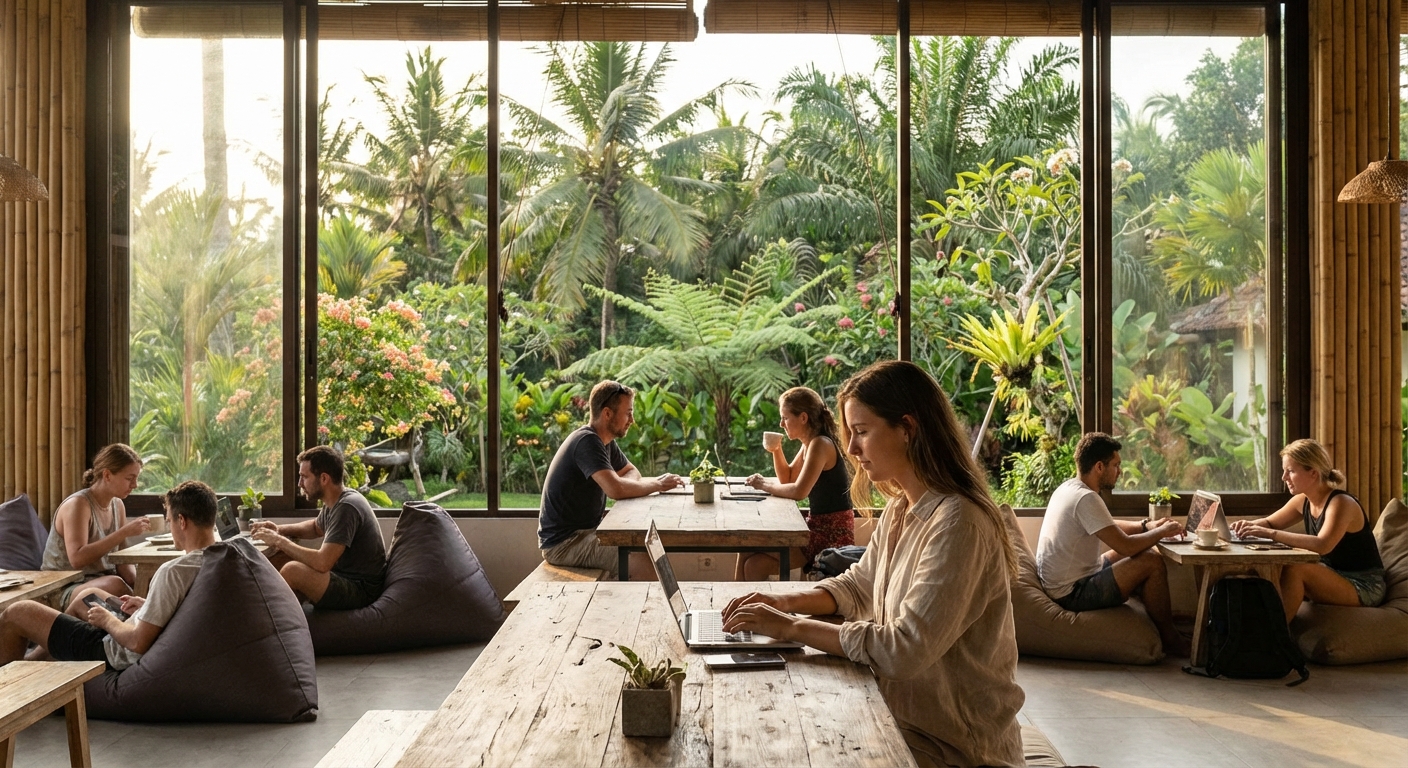

Asia pioneered the digital nomad phenomenon. Chiang Mai became the first true nomad hub over a decade ago, and the region remains the global epicenter for location-independent workers seeking value, community, and adventure. The math is simple: your Western salary buys 2-3x the lifestyle in Southeast Asia, extending your runway and upgrading your daily experience simultaneously.
The region delivers what budget-conscious nomads need: reliable internet, established coworking infrastructure, massive nomad communities, and costs that make even modest incomes feel comfortable. A $2,000 monthly budget that forces compromises in European or American cities buys genuine comfort in Bangkok, Bali, or Saigon.
But Asia isn't just about cost arbitrage. The cultural depth, food traditions, natural beauty, and sheer variety across the continent create experiences unavailable elsewhere. From tropical beaches to mountain temples to megacity energy, Asia offers the full spectrum of nomad environments.
Asia for Digital Nomads
In this guide:
- Why Asia for Digital Nomads
- Best Southeast Asian Destinations
- Best East Asian Destinations
- Emerging Asian Destinations
- Budget Comparison Table
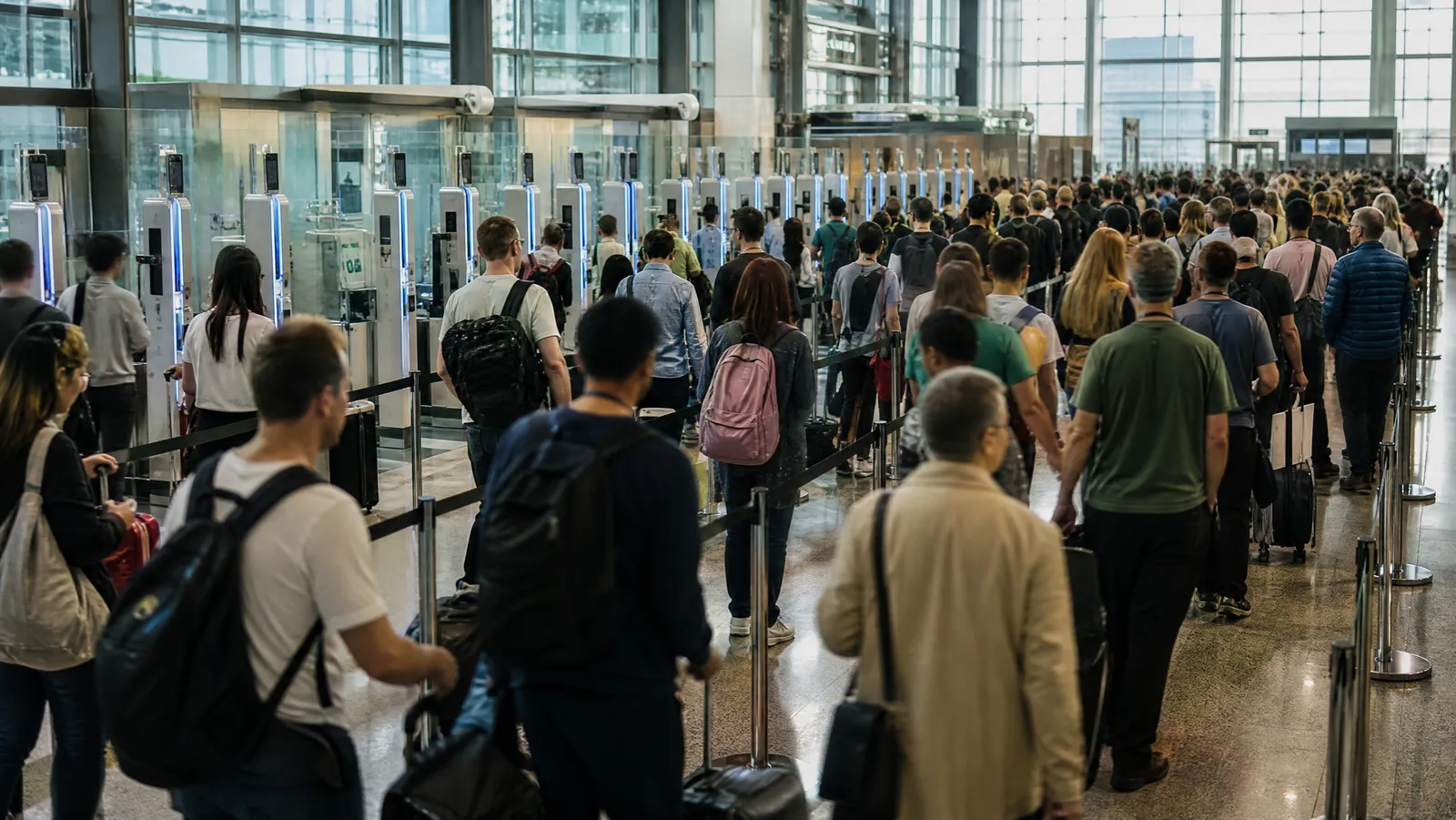
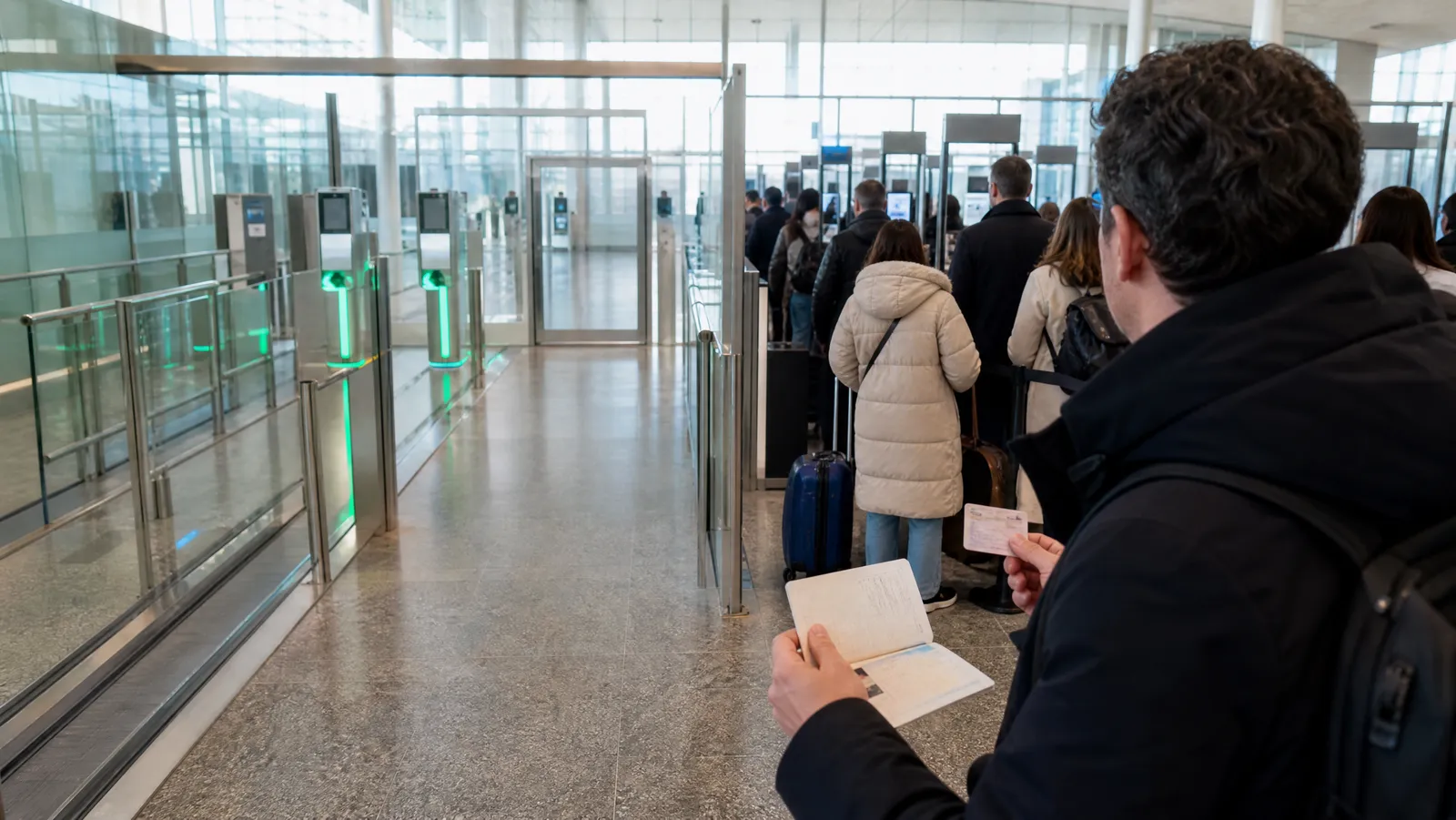
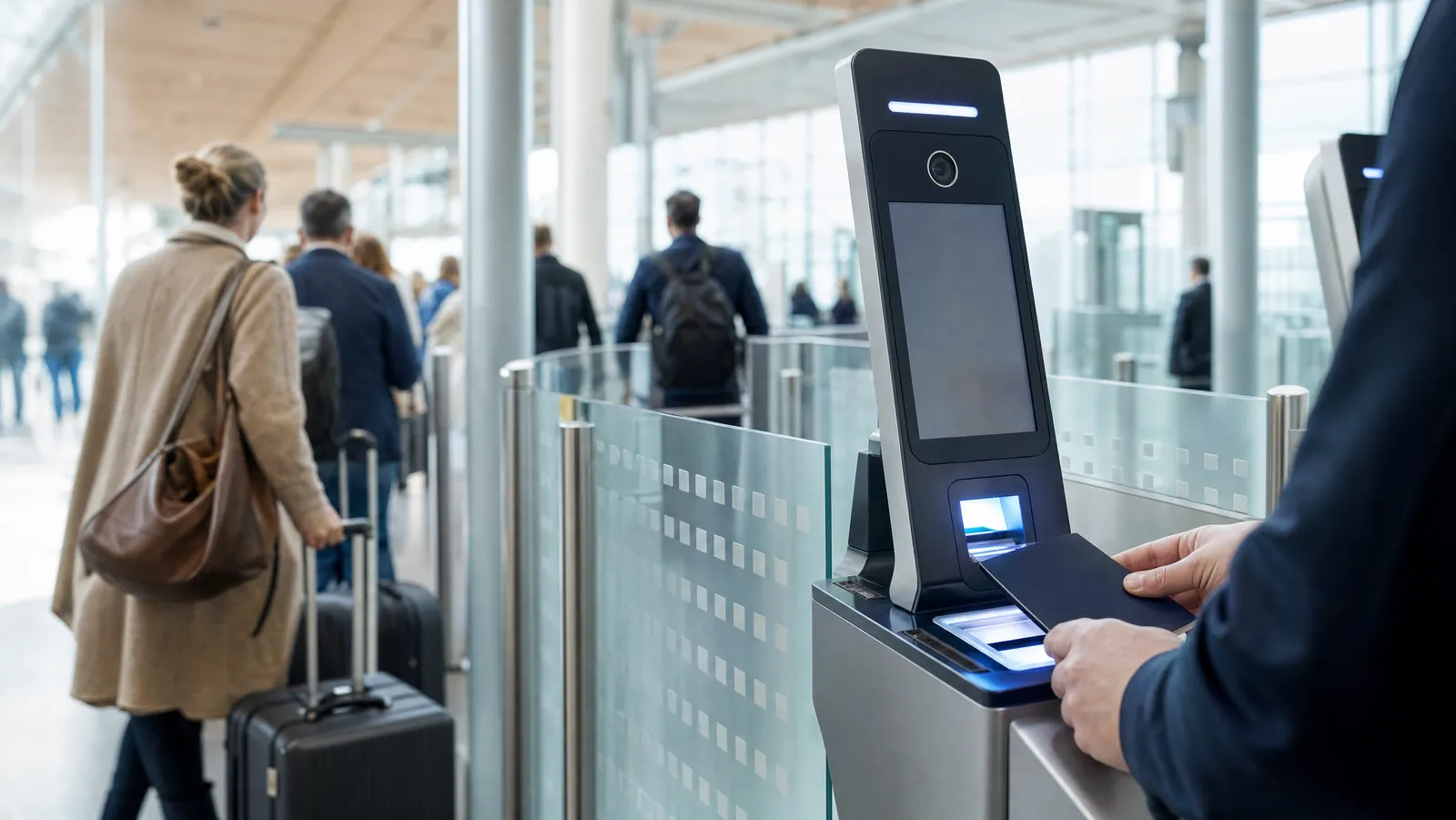
- Visa Strategies for Asia
- Choosing Your Asian Base
For the complete global comparison, see our best digital nomad destinations 2026 guide.
Why Asia for Digital Nomads
Asia dominates nomad popularity for interconnected reasons that compound into compelling value.
Cost Efficiency
The fundamental draw: your money goes further. A comfortable lifestyle in Chiang Mai or Da Nang costs $1,000-1,500 monthly—including a nice apartment, regular restaurant meals, coworking access, and entertainment margin. The same lifestyle in European or American cities runs $3,000-5,000.
This isn't about deprivation. Budget nomads in Asia often live better materially than they did working full-time in high-cost cities. The arbitrage is real.
Established Infrastructure
Decade-plus nomad presence has built robust infrastructure. Coworking spaces in every major hub. Cafes optimized for laptop work. Communities ready to welcome newcomers. Problems have been solved—you don't need to pioneer, just participate.
Community Density
Nomad communities in Asian hubs are large, active, and welcoming. Finding your tribe—whether that's developers, writers, designers, or entrepreneurs—happens quickly. The social dimension of nomad life is easier here than almost anywhere.
Climate and Environment
Tropical warmth appeals to those escaping Northern winters. Beach access, island hopping, mountain retreats, and jungle escapes are all accessible. The natural environment provides constant backdrop for a lifestyle that balances work and exploration.
Timezone Consideration
The flip side: Asian timezones create challenges for US/European client work. Bangkok is 11-12 hours ahead of US East Coast, meaning overlap requires early morning or late night calls. Some adapt; others find this dealbreaker outweighs the cost advantages.
Best Southeast Asian Destinations
Southeast Asia remains the nomad heartland—mature infrastructure, proven value, maximum community.
Chiang Mai, Thailand
The original nomad hub maintains its position through unmatched infrastructure-to-cost ratio. A decade of nomad presence has optimized everything: coworking options for every style, apartments catering to remote workers, community events daily, and local prices that still exist alongside tourist ones.
Monthly Budget: $1,000-1,500
Why Chiang Mai:
- Largest, most established nomad community globally
- Unmatched coworking infrastructure
- Best value in a fully developed hub
- Strong local food culture
- Mountain setting with temple culture
- Community events and social opportunities daily
Considerations:
- Smoke season (February-April) is severe—many nomads leave
- Visa situation requires attention (60-90 day tourist visa, runs needed)
- Hot season is genuinely hot
- Some nomad fatigue in the community
Best for: First-time nomads, community seekers, budget-focused workers
For the complete breakdown, see our Chiang Mai digital nomad guide.
Bali, Indonesia
Bali transcends typical nomad destinations—it's a lifestyle brand, spiritual center, and tropical paradise combined. The island attracts creatives, wellness practitioners, and entrepreneurs seeking inspiration alongside productivity.
Monthly Budget: $1,400-2,200
Why Bali:
- Unmatched natural beauty and spiritual atmosphere
- Strong creative and entrepreneurial community
- Excellent coworking spaces (Dojo, Outpost, Hubud)
- Wellness culture (yoga, meditation, healthy food)
- Beach + rice terrace environments
- Content creation paradise
Considerations:
- Scooter transport is essentially required
- Traffic in southern areas can be brutal
- Prices have risen significantly
- Visa situation complex (visa runs or agent help often needed)
- Rainy season (November-March) is genuinely wet
Best for: Creatives, wellness seekers, content creators, those prioritizing environment over urban amenities
For the complete breakdown, see our Bali digital nomad guide.
Bangkok, Thailand
Bangkok offers what Chiang Mai can't: genuine megacity energy, international flight hub, world-class medical care, and unlimited dining and entertainment options. The infrastructure is first-world; the costs remain developing-world.
Monthly Budget: $1,500-2,200
Why Bangkok:
- Major international hub (excellent flight connections)
- World-class food scene at every price point
- Excellent healthcare infrastructure
- Modern apartments with full amenities
- Strong coworking scene
- Genuine big city experience
Considerations:
- Traffic is severe—plan your neighborhood carefully
- Heat and humidity are intense year-round
- Less "nomad community" feeling than smaller hubs
- Can feel overwhelming for newcomers
Best for: City lovers, frequent travelers, those needing international connectivity
Da Nang, Vietnam
Da Nang delivers beach lifestyle at the lowest price point among quality coastal destinations. Modern infrastructure, Vietnamese affordability, and growing nomad presence create emerging appeal.
Monthly Budget: $900-1,400
Why Da Nang:
- Beach access at budget prices
- Modern city infrastructure
- Lowest costs among quality beach destinations
- Vietnamese food is exceptional
- Less touristed than Thai beaches or Bali
- Growing but not oversaturated community
Considerations:
- Rainy season (September-December) brings serious weather
- Smaller nomad community than established hubs
- English proficiency lower than Thailand
- Fewer coworking options
Best for: Beach lovers on a budget, those seeking quieter alternative to Bali
For the complete breakdown, see our Da Nang digital nomad guide.
Ho Chi Minh City (Saigon), Vietnam
Saigon pulses with entrepreneurial energy. The city's relentless pace, excellent food scene, and improving infrastructure attract nomads who want urban intensity at developing-world prices.
Monthly Budget: $1,200-1,800
Why Saigon:
- Incredible food scene (Vietnamese + French influence)
- Strong entrepreneurial energy
- Improving coworking infrastructure
- Lower costs than Bangkok for similar amenities
- Motorbike culture is distinctive
- Growing international community
Considerations:
- Traffic and noise are intense
- Air quality can be poor
- Language barrier is significant
- Infrastructure is developing
- Visa requires attention (90 days with e-visa)
Best for: Entrepreneurs, food enthusiasts, those who thrive in chaotic energy
Kuala Lumpur, Malaysia
KL offers first-world infrastructure at developing-world prices, with the added benefit of strong English proficiency (former British colony). The city serves as a comfortable base for exploring Southeast Asia.
Monthly Budget: $1,400-2,000
Why KL:
- Excellent English proficiency
- Modern infrastructure (comparable to developed nations)
- Diverse food scene (Malay, Chinese, Indian, international)
- Good value for quality of amenities
- Central location for Southeast Asian travel
- Professional coworking options
Considerations:
- Less "nomad community" feeling than hubs
- Urban sprawl requires planning
- Heat and humidity year-round
- Limited nature access compared to other destinations
Best for: Those wanting infrastructure comfort, English speakers, business travelers
Best East Asian Destinations
Higher costs but world-class infrastructure and unique cultural experiences.
Taipei, Taiwan
Taipei punches above its weight for nomads: excellent infrastructure, strong English in tech circles, fascinating food culture, and costs below Japan or South Korea. The city combines Chinese cultural heritage with Japanese influence and democratic openness.
Monthly Budget: $1,800-2,500
Why Taipei:
- Excellent infrastructure (some of Asia's best)
- Strong tech scene with English proficiency
- Exceptional food culture (night markets, dumplings, beef noodle soup)
- Safe and clean environment
- Good coworking options
- 90 days visa-free for many nationalities
Considerations:
- Higher costs than Southeast Asia
- Weather can be humid and rainy
- Smaller nomad community than SEA hubs
- Visa extensions not straightforward
Best for: Tech workers, food enthusiasts, those seeking modern Asian city experience
Tokyo, Japan
Tokyo represents the premium Asian option: world-class everything, but at world-class prices. For those with budget flexibility, the city offers experiences unavailable elsewhere.
Monthly Budget: $2,500-4,000
Why Tokyo:
- Unmatched infrastructure quality
- Unique cultural experience
- Food scene is world-class at every level
- Extremely safe environment
- Efficient public transport
- Strong tech and startup presence
Considerations:
- Highest costs in Asia
- Language barrier is significant (limited English)
- Workspaces can be challenging to find
- Cultural formality may feel constraining
- 90-day visa limit
Best for: Those with higher budgets, Japan enthusiasts, short-term premium experience
Seoul, South Korea
Seoul offers world-class technology infrastructure, K-culture immersion, and a growing international scene. Costs fall between Southeast Asia and Japan.
Monthly Budget: $2,000-3,000
Why Seoul:
- Fastest internet in the world (consistently)
- Strong tech and gaming industry
- Excellent food and cafe culture
- Good public transport
- Four distinct seasons
- Growing international community
Considerations:
- Cold winters
- Language barrier in daily life
- 90-day visa limit
- Work culture is intense
- Smaller nomad community
Best for: Tech workers, K-culture enthusiasts, those wanting excellent connectivity
Emerging Asian Destinations
Growing options worth considering as alternatives to established hubs.
Penang, Malaysia
Georgetown (Penang's main city) offers colonial charm, exceptional food, and beach access at lower costs than KL. The UNESCO World Heritage center provides character unavailable in modern cities.
Monthly Budget: $1,200-1,700
Why Penang:
- UNESCO heritage architecture
- Legendary food scene (hawker culture)
- Beach access
- Strong English proficiency
- Lower costs than KL
- Walkable historic center
Considerations:
- Smaller city with fewer amenities
- Limited coworking options
- Hot and humid year-round
- Less international community
Best for: Food enthusiasts, architecture lovers, those seeking smaller-city pace
Phnom Penh, Cambodia
Cambodia's capital offers genuine frontier appeal with improving infrastructure. The city attracts entrepreneurial types willing to trade polish for opportunity and community.
Monthly Budget: $1,000-1,500
Why Phnom Penh:
- Low costs with improving infrastructure
- USD-based economy
- Entrepreneurial expat community
- Riverside setting
- Easy visa extensions
- Less touristed than neighbors
Considerations:
- Infrastructure still developing
- Air quality can be poor
- Safety requires more awareness
- Fewer established coworking spaces
Best for: Adventurous nomads, entrepreneurs, those seeking frontier experience
Hoi An, Vietnam
Ancient town charm with beach access, Hoi An offers a slower pace than Vietnamese cities. The UNESCO heritage center attracts creatives and those seeking contemplative environments.
Monthly Budget: $800-1,300
Why Hoi An:
- Beautiful heritage architecture
- Beach access nearby (An Bang)
- Excellent food scene
- Very low costs
- Tailor shops for custom clothing
- Peaceful atmosphere
Considerations:
- Small town with limited amenities
- Limited coworking infrastructure
- Flooding during rainy season
- Tourist crowds in old town
Best for: Writers, creatives, those seeking peaceful environment
Budget Comparison Table
| Destination | Monthly Budget | Internet | Community Size | Best For |
|---|---|---|---|---|
| Hoi An | $800-1,300 | 30-50 Mbps | Small | Peaceful creativity |
| Da Nang | $900-1,400 | 40-60 Mbps | Growing | Budget beach |
| Chiang Mai | $1,000-1,500 | 50-100 Mbps | Largest | First-timers, community |
| Phnom Penh | $1,000-1,500 | 30-50 Mbps | Small | Frontier adventure |
| Penang | $1,200-1,700 | 50-80 Mbps | Small | Food, heritage |
| Saigon | $1,200-1,800 | 40-70 Mbps | Medium | Urban energy |
| Bali | $1,400-2,200 | 30-80 Mbps | Large | Creatives, wellness |
| KL | $1,400-2,000 | 50-100 Mbps | Medium | Infrastructure comfort |
| Bangkok | $1,500-2,200 | 50-100 Mbps | Large | City life, travel hub |
| Taipei | $1,800-2,500 | 100+ Mbps | Medium | Tech, modern Asia |
| Seoul | $2,000-3,000 | 200+ Mbps | Small | Tech, K-culture |
| Tokyo | $2,500-4,000 | 100+ Mbps | Small | Premium experience |
Visa Strategies for Asia
Asian visa situations range from generous to complicated. Strategic planning extends stays and reduces stress.
Most Generous
| Country | Initial Stay | Extensions | Notes |
|---|---|---|---|
| Malaysia | 90 days | Border run resets | Very generous for many nationalities |
| Taiwan | 90 days | Limited | Straightforward for short stays |
| Philippines | 30 days | Up to 3 years | Easy extensions, but must apply in-country |
Moderate Complexity
| Country | Initial Stay | Extensions | Notes |
|---|---|---|---|
| Thailand | 60-90 days | 30-day extension + visa runs | DTV (Destination Thailand Visa) now available for longer stays |
| Vietnam | 90 days (e-visa) | Exit and re-enter | E-visa simplified process |
| Indonesia | 30-60 days | B211A visa for longer stays | Agent assistance often needed |
Thailand's DTV
Thailand introduced the Destination Thailand Visa (DTV) in 2024, offering up to 5 years with 180-day stays. Requirements include proof of remote work capability or specific qualifying activities. This provides a legitimate long-term option where visa runs were previously the norm.
Border Runs
Traditional strategy: exit the country and re-enter for a fresh visa allowance. Still works but increasingly scrutinized. Multiple consecutive runs may attract questions. Having onward tickets and accommodation bookings helps.
Professional Help
In Bali and Thailand especially, visa agents handle the complexity. Costs are reasonable ($50-200) and save significant time for extensions, long-term visas, and complex situations.
Choosing Your Asian Base
Your ideal Asian destination depends on priorities:
If Budget is Primary
Choose Chiang Mai or Da Nang. Lowest costs with proven infrastructure. Chiang Mai offers more community; Da Nang offers beach.
If Community is Primary
Choose Chiang Mai or Bali. The largest, most active nomad communities with daily events and easy social entry.
If Lifestyle/Environment is Primary
Choose Bali. Nothing else matches the combination of natural beauty, wellness culture, and creative atmosphere.
If Urban Amenities Matter
Choose Bangkok or Kuala Lumpur. Modern infrastructure, international connections, and big city options.
If You're New to Asia
Choose Chiang Mai. The most beginner-friendly combination of community support, infrastructure, and forgiving costs.
If You Need Flight Connectivity
Choose Bangkok or Kuala Lumpur. Major hubs with connections across Asia and internationally.
Timezone Reality Check
Before committing to Asia, honestly assess your timezone constraints:
If you have flexible hours: Asia works well. Schedule calls in your morning (their evening) or your evening (their morning).
If you work standard US hours: You'll be nocturnal. 9am New York is 9pm Bangkok. This is sustainable for some; burnout-inducing for others.
If you work European hours: More manageable. 9am London is 4pm Bangkok. Afternoon starts and evening ends are possible.
If you work Australian hours: Asia is ideal. Minimal or no timezone adjustment.
Be honest about sustainability. The cost advantages of Asia mean nothing if sleep deprivation destroys your productivity.
Your Next Steps
Asia rewards commitment. Short visits barely scratch the surface; staying 2-3 months in one location reveals the depth.
-
Start with one hub - Don't try to see everything. Pick Chiang Mai or Bali for your first Asian base—the largest communities make landing easiest.
-
Plan your visa timeline - Understand your initial allowance and extension options before arrival.
-
Prepare for connectivity variation - Asian internet ranges from excellent (Taipei, Seoul) to unreliable (rural areas). Have backup plans. See our WiFi connectivity guide and best eSIM for Asia.
-
Pack for tropics - Heat and humidity are real. See our Southeast Asia packing list for specifics.
-
Accept the timezone trade-off - If you're US-based, either commit to schedule adjustment or acknowledge Asia may not fit your situation.
For gear preparation, check our ultimate packing list and our portable monitor guide for productive setups in varied environments.
For the global comparison, return to our best digital nomad destinations 2026 guide.
About the Author